
Lepusheng
China Top Correction Tape Green Supplier for Global Buyers? This question deserves more than a low-price comparison. Correction Tape Green may refer to a popular color, a product line, or a supplier’s environmental positioning. Global buyers should examine all three meanings carefully. A reliable Chinese manufacturer should provide clear specifications, stable production records, and responsive technical support. The tape should apply smoothly, cover printed mistakes evenly, and remain secure during normal use.
Practical evaluation starts with the product itself. Buyers can request samples in different widths, lengths, and housing designs. Check the dispenser grip, tape tension, coverage, and rewinding performance. A simple desk test often reveals uneven coating or loose tape. Ask for material details, quality-control procedures, and batch inspection records. Useful documents may include safety information, packaging specifications, and independent test reports where applicable. Experience matters here. A supplier that understands school, office, and stationery distribution needs can reduce avoidable problems.
Still, no supplier is perfect. Even experienced factories may face delays, color variation, or packaging mistakes. That is worth admitting. Buyers should discuss corrective actions, replacement policies, production lead times, and communication methods before placing larger orders. Environmental claims also require careful verification, not attractive wording alone. Review recycled content, packaging choices, and relevant certifications. The strongest supplier is not always the cheapest. It is the partner that explains limitations clearly, controls quality consistently, and supports improvements after shipment. This guide introduces practical points for identifying a dependable China-based Correction Tape Green supplier for international business needs.
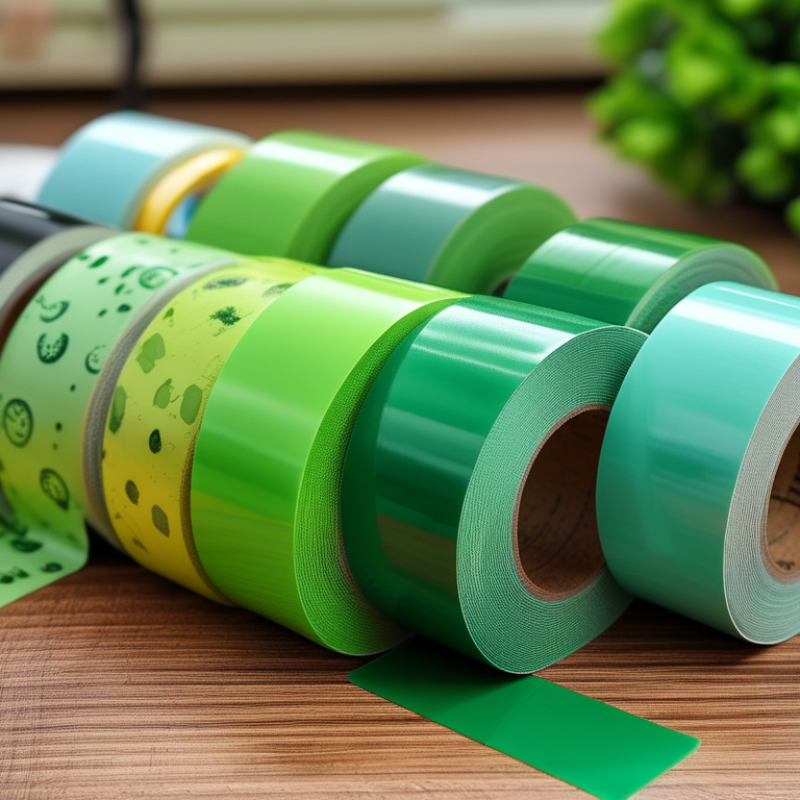
A green correction tape supplier is more than a factory using green packaging. It should explain every material, from the plastic shell to the adhesive film. During a factory visit, buyers can check resin storage, production waste, and packaging areas. Clear records matter.
Responsible suppliers may offer recycled plastic housings, reduced packaging, and recyclable paper cartons. However, recycled content can affect shell strength or tape movement. That trade-off needs testing, not attractive claims. Ask for material declarations, safety data, and recent laboratory reports. Independent testing improves confidence.
Manufacturing control also matters. Accurate winding prevents broken tape and reduces defective units. Efficient machines can lower electricity use, but suppliers should share measurable data. A reliable partner tracks scrap rates, batch numbers, and corrective actions. Small details reveal real experience.
The word “green” remains imperfect. Some parts may still require mixed materials or special treatment. Suppliers should admit these limits instead of promising zero impact. Buyers can compare product lifespan, repairability, packaging weight, and shipping efficiency. A longer-lasting correction tape may create less waste than a cheaper, fragile alternative.
Consistency is essential. Ask for pre-shipment samples, production photos, and quality inspection records. Visit when possible. Real sustainability should survive close questions.
Correction tape depends on a simple but carefully balanced material structure. The outer shell commonly uses polypropylene or PET, giving the dispenser strength without excessive weight. Inside, a polyester carrier holds the correction coating firmly. This coating usually combines titanium dioxide or other white pigments with resins and dry adhesives. The result should cover printed text smoothly, without tearing or leaving wet residue.
Eco-friendly design requires more than a green-looking package. Some manufacturers use recycled plastic for the shell or reduce unnecessary packaging. Refillable dispensers can also lower plastic consumption over repeated use. Solvent-free, dry application helps reduce odor during everyday handling. However, recycled content may affect color consistency or molding strength. That trade-off deserves testing, not optimistic wording.
Reliable suppliers should provide material declarations, batch records, and practical performance samples. Buyers can check tape width, film tension, adhesion, coverage, and storage stability. A useful trial includes writing on ordinary office paper, waiting briefly, and testing whether the correction layer lifts cleanly. Environmental claims should be supported by clear percentages and relevant documentation. No correction tape is automatically sustainable. Its full impact also depends on packaging, refill availability, transport, and disposal conditions. Some improvements remain incomplete, but transparent data makes better purchasing decisions possible.
Chinese correction tape suppliers typically begin with material control. Manufacturers inspect plastic housings, PET carrier film, adhesive, and white coating powders before production. According to Grand View Research’s 2024 office stationery market assessment, the global market is expanding steadily, with demand supported by schools, offices, and home users. Correction tape is a small category, but consistency still matters.
The coating is mixed under controlled speed and temperature. It is then applied evenly onto PET film and dried through heated channels. Slitting machines cut the coated film into narrow rolls. Workers assemble each roll inside a molded shell, checking gear movement and tape alignment. Some factories use automatic vision systems. Others still rely on trained manual inspection. That combination is practical, though not perfect.
Quality testing usually covers width, coating coverage, unwind force, adhesion, and writing performance. Internal procedures may reference ISO 9001 quality-management controls and ASTM D3330 peel-adhesion methods, adapted for the product’s structure. Testers apply the tape to paper, press it with a fixed load, and inspect coverage under bright light. Aging tests expose samples to heat and humidity. A reliable roll should start cleanly, cover dark text, and avoid ribbon breaks. Small defects remain possible. Dust, uneven drying, or slight gear friction can reduce user confidence. Suppliers should record batch data, retain samples, and review complaints instead of assuming every shipment is flawless.
Global Correction Tape Buyers: Certifications and Compliance Matter
A green correction tape supplier must prove more than a recycled-looking package. Global buyers usually request material declarations, factory records, and traceable batch numbers. ISO Survey 2022 reported 1,265,216 valid ISO 9001 certificates worldwide. This figure shows quality systems are common, but certification alone does not guarantee product safety.
For correction tape, compliance checks should cover adhesive composition, plastic housing, backing film, and packaging ink. Suppliers should screen restricted substances under REACH and provide recent laboratory reports. RoHS may apply to electronic accessories, but it does not automatically cover ordinary stationery. Buyers should confirm the correct scope. The European Chemicals Agency’s Candidate List is updated regularly, so an old declaration can become unreliable. Small detail. Major risk.
Environmental claims also need evidence. Ask for recycled-content percentages, paper sourcing documents, and waste-reduction records. ISO 14001 can support environmental management, while ISO 9001 helps control production consistency. However, neither certificate proves that every roll contains recycled material. A factory audit should compare purchase invoices, production records, and finished goods. In practice, this step is often skipped because buyers focus on price. That is a weakness worth correcting. A dependable supplier should provide test dates, laboratory scope, certificate numbers, and corrective-action records without hesitation.
Selected substance limits used when evaluating correction tape plastics, coatings, adhesives, and packaging components.
The chart compares selected limits expressed in parts per million (ppm). EU RoHS generally limits lead and several other restricted substances to 0.1% (1,000 ppm), cadmium to 0.01% (100 ppm), while U.S. CPSIA limits lead in surface coatings to 90 ppm and accessible component parts to 100 ppm. Actual applicability depends on the product classification, materials, destination market, and the buyer’s compliance requirements. Suppliers should provide current test reports and declarations from competent laboratories.
Selecting a green correction tape supplier requires more than checking a recycled logo. Global buyers should examine materials, factory controls, product safety, and delivery records. A supplier should provide recycled-content evidence, test reports, and a clear bill of materials.
The World Bank’s What a Waste 2.0 report projects global waste could reach 3.4 billion tonnes annually by 2050. This increases pressure on compact office products and their packaging. Ask whether the shell uses post-consumer recycled plastic, and whether the tape backing contains unnecessary layers. ISO 14067 can support product carbon-footprint measurement, while ISO 14025 helps buyers review environmental declarations. These documents are useful, but they are not perfect. Some suppliers calculate emissions differently. Compare boundaries, energy sources, and verification methods.
Tips: Request three recent production samples. Check smoothness, coverage, drying time, and shell strength. Compare defect rates, not only unit prices. Ask for packaging weight per 1,000 units and factory audit dates. A low-carbon claim without supplier records deserves careful questions. In practical sourcing, I would also test samples after heat and humidity exposure. Performance often changes there. UNEP’s 2023 Turning off the Tap report states that global plastic pollution could be reduced by 80% by 2040 through reuse, recycling, and material reduction. However, reducing material can sometimes reduce durability. Buyers should balance environmental targets with actual user experience.
| Supplier Profile | Core Product & Size | Minimum Order Quantity | Standard Lead Time | Monthly Capacity | Quality KPI | Compliance & Documentation | Customization Capability | Payment Terms | Best Fit for Global Buyers |
|---|---|---|---|---|---|---|---|---|---|
| Profile A |
Tape width: 5 mm Tape length: 6 m Disposable correction roller with translucent housing |
10,000 pieces | 22–28 calendar days after artwork approval | Approximately 1.2 million pieces |
0.35% reported defect rate Inline tension and adhesion checks |
REACH declaration RoHS material statement Batch inspection records |
Custom color housing Printed packaging Private-label artwork support |
30% deposit; 70% before shipment | Balanced option for retailers needing moderate volume and reliable documentation. |
| Profile B |
Tape width: 5 mm Tape length: 8 m Refillable correction roller with replaceable cartridge |
5,000 pieces | 25–32 calendar days for standard models | Approximately 650,000 pieces |
0.28% reported defect rate Cartridge fit and rewind testing |
REACH declaration Packaging material declaration Pre-shipment inspection available |
Custom cartridge color Housing mold modification Retail blister or box packaging |
30% deposit; balance against shipping documents | Suitable for buyers prioritizing refillability, sustainability messaging, and lower initial order volume. |
| Profile C |
Tape width: 4.2 mm Tape length: 6 m Compact correction roller for school and office channels |
20,000 pieces | 30–38 calendar days | Approximately 2.0 million pieces |
0.60% reported defect rate Visual inspection and random functional testing |
General material declaration Carton specifications Third-party inspection accepted |
Printed shell color Standard packaging formats Limited mold customization |
30% deposit; 70% before shipment | A practical choice for high-volume importers focused on unit cost and production scale. |
| Profile D |
Tape width: 5 mm Tape length: 6 m Ergonomic correction roller with soft-touch grip |
8,000 pieces | 24–30 calendar days | Approximately 900,000 pieces |
0.40% reported defect rate Adhesion, shell assembly, and rewind checks |
REACH declaration Product specification sheet Factory quality manual available |
Custom grip texture Color matching by approved sample Custom retail packaging |
30% deposit; 70% before shipment | Well suited to mid-market stationery lines that need stronger ergonomics and visual differentiation. |
| Profile E |
Tape width: 5 mm Tape length: 6 m and 10 m Multi-size correction tape range for international distribution |
15,000 pieces per size | 28–35 calendar days | Approximately 1.5 million pieces |
0.32% reported defect rate Incoming material control and final AQL sampling |
REACH declaration RoHS material statement AQL inspection report Export carton test data |
Multiple tape lengths Custom color system Mixed-size container loading |
20% deposit; 80% against copy of bill of lading | A strong option for distributors requiring several sizes, structured quality records, and flexible shipment planning. |
| Profile F |
Tape width: 5 mm Tape length: 6 m Basic disposable correction roller for promotional and bulk programs |
30,000 pieces | 35–45 calendar days | Approximately 2.5 million pieces |
0.75% reported defect rate Basic visual inspection and carton sampling |
Basic material declaration Standard packing list External inspection recommended |
Standard shell colors Printed sleeve or polybag Limited structural changes |
30% deposit; 70% before shipment | Best for price-sensitive promotional orders where large quantities are more important than advanced customization. |
It explains materials, packaging, waste, and energy use with specific records. Records matter. A green-looking package proves little.
The shell often uses polypropylene or PET. A polyester carrier holds the coating. White pigments, resins, and dry adhesives create the correction layer.
Yes, recycled plastic can reduce new material use. However, it may affect shell strength, color, or tape movement. Test it carefully.
Request material declarations, safety data, batch records, and recent laboratory reports. Quality inspection records and production photos are also useful. Claims need evidence.
Apply it to ordinary office paper and check coverage, adhesion, and film tension. Wait briefly, then test whether the layer lifts cleanly. A simple trial reveals problems.
Accurate winding reduces broken tape and defective units. Efficient equipment may lower electricity use. Ask for scrap rates and corrective-action records.
Refillable designs can reduce plastic use over repeated applications. Their benefit depends on refill availability, durability, and actual user habits. Not automatically better.
Compare packaging weight, product lifespan, repairability, transport efficiency, and disposal conditions. A durable dispenser may create less waste than a fragile, cheaper one. No product is impact-free.
Yes. Some components may still use mixed materials or require special treatment. A supplier promising zero impact may be overstating the result. Transparency is more useful.
Request pre-shipment samples and compare them with approved production standards. Review inspection records and visit the facility when possible. Small details matter.
Choosing a reliable Correction Tape Green supplier in China requires more than comparing prices. A responsible supplier should use recyclable or reduced-plastic materials, non-toxic adhesives, durable casings, and packaging designed to minimize waste. Eco-friendly features should be supported by clear material information, stable product performance, smooth application, and consistent coverage. Manufacturers should also follow controlled production processes, including raw-material inspection, assembly checks, tape adhesion testing, correction quality evaluation, and packaging inspections.
For global buyers, certifications and compliance documents can help confirm product safety, environmental claims, and manufacturing consistency. Buyers should review a supplier’s production capacity, quality-control system, customization options, delivery reliability, communication, and after-sales support. Comparing samples, test reports, specifications, and total purchasing costs is essential before placing an order. The best supplier is one that combines credible environmental practices with dependable quality, transparent documentation, and the flexibility to meet different market requirements.
